

If you’ve just gotten dentures or have been wearing them for a while, you’re likely aware that maintaining them properly is key to ensuring they stay comfortable and functional. Imagine smiling, speaking, and eating with confidence every day, knowing your dentures look as good as new. Whether you’re a first-time wearer or a seasoned pro, proper denture care is essential for longevity and aesthetics.
In this blog, we’ll dive into expert tips on how to clean dentures, how to keep them looking their best, and how regular maintenance can extend their lifespan.
How to Care for Dentures
When it comes to denture care, cleaning is a priority. Proper cleaning can prevent plaque buildup, stains, and oral health issues like bad breath and gum infections. Here’s how to ensure your dentures last longer and look better:
- Clean Regularly for a Long-Lasting Smile
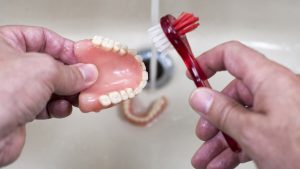
Cleaning your dentures daily is crucial to maintaining both their appearance and functionality. Rinse your dentures with warm water after meals to remove any food particles. It’s important to use denture cleaning solutions or a soft-bristled brush rather than toothpaste, as toothpaste can scratch the surface of the dentures over time. - Rinse After Eating
After meals, be sure to rinse your dentures thoroughly with water. This simple step helps remove food particles and prevents plaque buildup. It’s a quick and easy way to keep your dentures fresh throughout the day. - Handle with Care
Dentures can be delicate, so it’s important to handle them with care during cleaning. Always remove your dentures over a soft surface, such as a towel or a basin of water, to prevent them from breaking or bending.
Denture Care Tips
Caring for dentures isn’t just about cleaning them; it also involves using the right products and taking steps to protect their shape and functionality:
- Use the Right Cleaning Products
The best denture care products include denture cleaning solutions that are designed specifically for daily use. We suggest using non-abrasive cleaners that don’t damage the surface of your dentures but effectively remove debris and bacteria. - Avoid Harsh Chemicals
Stay away from products like bleach or household cleaners, which can weaken your dentures and lead to discoloration. Instead, choose denture-safe cleaning agents that ensure the longevity of your appliance. - Store Properly
When not in use, store your dentures in water to keep them from drying out and losing their shape. You can also use a denture case for safe storage.
Denture Maintenance Tips
The denture fitting process is a crucial step in getting your dentures, but maintaining their fit over time is just as important. Follow these tips to ensure your dentures stay comfortable and functional:
- Visit Your Dentist Regularly
Dr. Uddin stresses the importance of regular dental checkups to ensure your dentures fit properly. Over time, your gums may change, which can lead to a loose or uncomfortable fit. Adjusting to dentures may take time, but regular check-ups will help with any discomfort you may be experiencing.
If you’re looking for expert advice on how to wear dentures comfortably and confidently, FMS Dental in Houston offers thorough consultations and adjustments to guarantee the perfect fit. - Adjust for Comfort and Fit
Loose dentures can lead to sore spots and difficulty chewing. If your dentures no longer fit as well as they once did, it’s time to schedule a visit to your dentist. - Repair Chips or Cracks Promptly
Dentures can slowly break down over time. If you see any cracks or chips, do not wait to get them repaired. Quick repairs can stop damage from getting worse, and that could mean needing replacements.
How Dentures Work and Best Care Practices
Knowing how dentures function can help you understand how to take care of them. Dentures fill the gaps of missing teeth and are made to match the exact contours of each individual’s mouth. They are made of acrylic and/or porcelain and rest atop the gums.
When looking for the ideal denture care products, ensure you purchase those specifically intended for the cleaning of dentures, and keep the bacteria levels on them to zero. Good products help keep your dentures in great shape and give them an extra level of clarity and stain resistance.

Denture Care and Lifespan Comparison
| Action | Frequency | Purpose | Recommended Products |
| Rinse dentures after eating | After each meal | Removes food particles, prevents plaque buildup | Warm water or mild denture rinse solution |
| Clean dentures daily | Daily | Prevents plaque, bacteria buildup, and staining | Non-abrasive denture cleaners and a soft-bristle brush |
| Store dentures in water | Overnight, when not in use | Prevents drying out, maintains shape | Denture soaking containers, mild denture cleaning solutions |
| Visit the dentist for adjustments | Every 6-12 months | Ensures proper fit and comfort, adjusts to gum changes | A dentist’s expertise and proper care |
| Repair any chips or cracks | As needed | Prevents further damage and ensures longevity | Professional denture repair services |
Conclusion
It is not hard to care for your dentures. Just follow the care guidelines and visit your dentist regularly to keep your dentures looking good for a long time. For those in and around Houston, Dr. Mehraz Uddin at FMS Dental can assist you throughout the denture fitting process and address all your questions and concerns to make sure your dentures are comfortable.
Need to consult someone about your dentures? Call FMS Dental and ask to book an appointment with Dr. Uddin to keep your smile looking great.
Frequently Asked Questions About Dentures
1. How long do dentures last?
Dentures are designed to last anywhere from five to ten years. Your dentures may last longer or shorter, depending on the material used and how well you take care of them. Visiting the dentist regularly will help keep them in good condition and help them last longer.
2. Can dentures be repaired if they break?
Dentures are repairable, but fixing them on your own can result in more damage. You should always take them to your dentist so they can be repaired correctly.
3. How do I know if dentures are properly fitted?
Dentures should feel tight and secure in your mouth without causing soreness, pain, or any discomfort. If you feel they are loosening or they hurt your gums, you should go to your dentist so the dentures can be adjusted.
4. Are there any foods I should avoid with dentures?
You can eat most foods with dentures, but there are some you should avoid. It’s best to avoid foods that are hard, sticky, or chewy. These can cause damage to the dentures or cause discomfort. It’s best to eat soft foods and take care when chewing.